
Common Lawn Problems in Texas: Disease and Insect
If you’ve had the pleasure of living in Texas, you know that maintaining a healthy lawn can feel like an uphill battle. Between the summer heat, unpredictable downpours, and constant humidity, Texas lawns face a unique set of challenges that demand extra attention and care. These conditions don’t just make life tough for your grass — they also create a paradise for diseases and pests. From stubborn brown patches to pesky insects ruining your hard work, you’re not alone in the struggle. Read on as we dive into the most common lawn problems Texas homeowners face and how you can keep your yard looking its best.
Common Lawn Diseases in Texas
Texas’ blend of heat, humidity, and rainfall creates ideal conditions for lawn diseases to flourish. While these challenges can be frustrating, learning to recognize common issues and address them early is the key to keeping your grass healthy and vibrant.
Brown Patch Fungus
Brown patch can turn a lush, green lawn into an eyesore if left untreated. This fungal disease thrives in Texas’s cooler, damp conditions, especially in the fall and early spring. It appears in circular patches of brown, dead grass, often surrounded by a darker ring. These patches may start small and expand over time. Brown patch weakens the lawn’s overall health, leaving it vulnerable to other stresses like pests or further fungal infections.
Take-All Root Rot
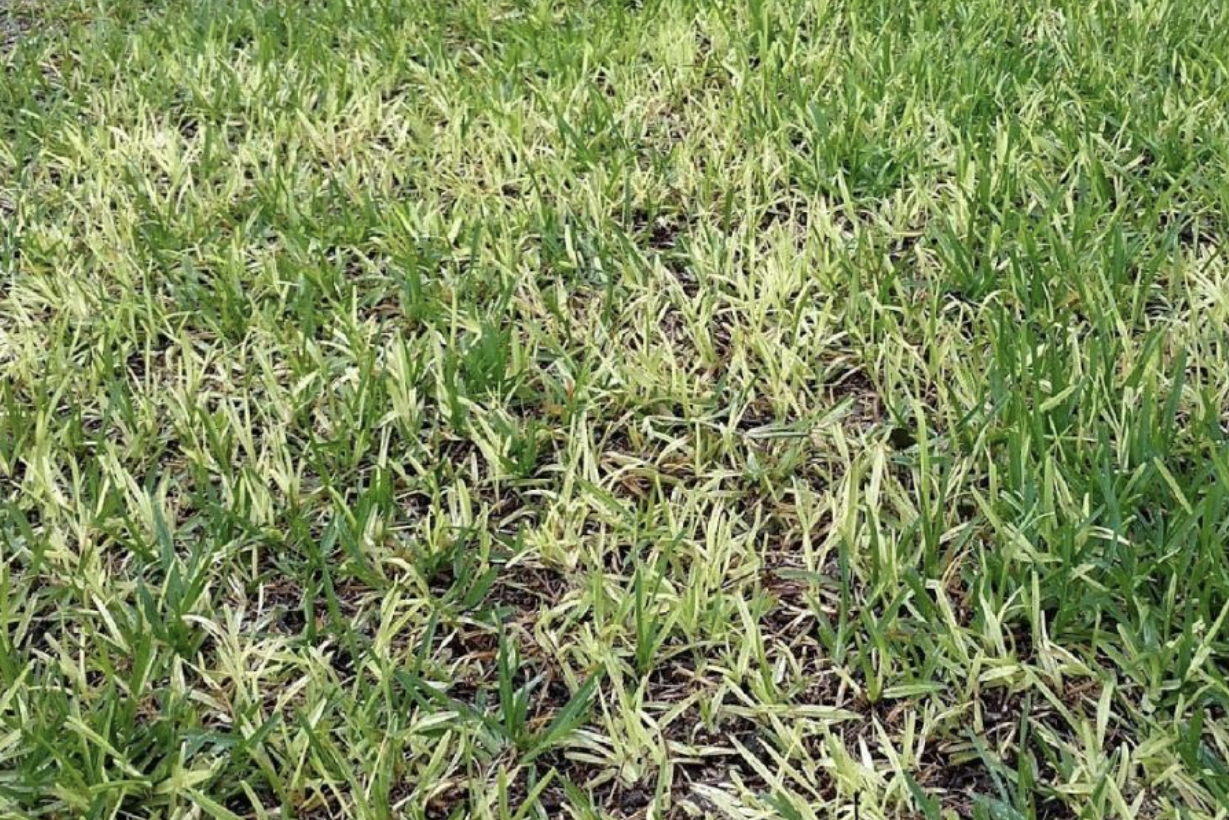
Take-All Root Rot is a particularly aggressive fungal disease that poses a serious threat to lawns in Texas. It tends to target warm-season grasses like St. Augustine, bermudagrass, and Zoysia, leaving lawns weak and patchy. Symptoms include grass blades turning yellow and thinning out, eventually dying off in irregular patches. The roots often appear dark and rotted upon inspection. Root rot causes widespread thinning of the lawn, leading to bare spots and making it harder for grass to recover without treatment.
Gray Leaf Spot
During summers, gray leaf spot can become a common lawn issue. This fungal thrives during Texas’s humid summers, especially on Bermuda and St. Augustine grass. It presents itself in small, gray-to-brown spots on grass blades that may have a yellow halo. These spots can merge, causing large areas of discoloration and weakened grass. Gray leaf spot can damage the appearance of your lawn and weaken the grass, making it more susceptible to environmental stressors like drought and heat.
Common Lawn Pests in Texas
Texas’s warm climate and diverse soil conditions create an ideal habitat for pests. These unwelcome visitors can cause significant damage, from destroying grass roots to creating unsightly mounds.
Grubs
Grubs are a hidden threat lurking beneath the surface of your lawn.
- What they are: Grubs are the larvae of Japanese beetles and they thrive in warm, moist soil to feed on grass roots. They have C-shaped, white bodies and are found directly below the surface of your lawn.
- Effects: Grubs can damage root systems, making your lawn feel spongy. Severe infestations can result in dead turfgrass that easily pulls up like a rug.
- Control methods: Apply grub control products in late spring or early summer, when larvae are most active. Proper fertilization and a regular watering schedule encourage healthy root growth.
Chinch Bugs
Chinch bugs are a common enemy of Texas lawns, particularly for St. Augustine grass, but they don’t discriminate against other warm-season grasses like Bermuda and Zoysia.
- What they are: They’re tiny black pests, about 3/16 of an inch long, with fully developed wings. They’re also seen to be orange and black with triangular markings on their backs.
- Effects: Chinch bugs suck moisture from grass blades, resulting in yellowing areas that turn brown. They are especially active during hot, dry conditions.
- Control methods: Regular mowing and proper watering can help prevent infestations. Insecticides labeled for chinch bugs are effective in severe cases.
Fire Ants
Fire ants are a notorious problem across Texas, disrupting lawns with unsightly mounds and posing a danger with their painful stings. These pests create an unwelcome environment for both people and pets.
- What they are: Aggressive ants widespread across Texas, known for their painful stings and visible mounds.
- Effects: Fire ant mounds disrupt the lawn’s appearance and their bites pose a risk to humans and pets.
- Control methods: Use fire ant baits or mound treatments to eliminate colonies but they may be a returning problem. For help with fire ant control, consider professional pest control services.
How to Identify Lawn Problems Early
Catching lawn issues early can save you time, money, and the hassle of dealing with extensive lawn maintenance. Whether you’re dealing with discolored patches, thinning grass, or signs of pests, identifying problems in their early stages allows you to take quick action and keep your lawn healthy. Here’s what you should do to make sure your grass stays healthy and lush:
- Inspect your lawn regularly: Inspect your lawn and flowerbeds weekly to look for unusual discoloration, thinning areas, or changes in texture.
- Check for insect activity: Look for signs of pests, such as small mounds (fire ants), dead grass that lifts easily (grubs), or visible insects on the blades (chinch bugs).
- Examine soil and roots: If patches of grass look unhealthy, pull up a section to check for grub damage or root rot. Healthy roots should appear white and firm.
- Monitor watering patterns: Overwatering can encourage fungal growth while underwatering can stress the grass. Adjust your irrigation system as needed.
- Identify patterns of damage: Note the shape and spread of damaged areas. Circular patches may indicate fungal diseases, while irregular thinning could point to pests or poor soil conditions.
- Use diagnostic tools: Consider using soil tests to identify nutrient deficiencies, such as potassium or pH imbalances, that could contribute to lawn issues. Texas A&M’s AgriLife Extension offers professional soil testing for Texas homeowners.
- Keep an eye on the weather: Periods of high humidity or drought often exacerbate lawn problems, so be extra vigilant during extreme conditions.
Texas Lawn Care Tips for Diseases and Pests
Dealing with lawn diseases and pests can feel overwhelming, but with the right approach, you can restore your lawn’s health and keep it thriving. From taking preventive measures to using targeted treatments, there are effective strategies that can help you manage common disease and pest issues.
Managing Lawn Diseases
Lawn diseases can quickly spread and weaken your grass, but with proper care and prevention, you can keep them at bay. Effective lawn disease control involves:
- Proper watering: Water in the early morning to reduce the risk of fungal growth. Use a sprinkler system for even distribution and avoid overwatering, especially during humid conditions.
- Fungicides: For persistent issues, use fungicides specifically formulated for the disease affecting your lawn. Follow the product label for safe and effective application.
- Prevention: Promote good airflow by avoiding overgrown grass and removing debris. Regularly aerate the lawn to strengthen the grass root systems and improve its defense and resilience against diseases.
Controlling Lawn Pests
Keeping pests under control is essential to maintaining a vibrant, thriving lawn. There are multiple ways to address lawn-damaging insects, including:
- Natural solutions: Add beneficial nematodes to the soil to naturally target grubs and other harmful pests. You can also attract natural predators, such as birds, to help keep pest populations under control.
- Chemical options: Use granular insecticides labeled for the specific pest affecting your lawn to help severe infestations. Apply evenly and as directed to minimize harm to beneficial insects.
- Integrated pest management (IPM): Combine natural and chemical methods with cultural practices, such as proper lawn mowing and watering, for a balanced and sustainable approach to pest control.
Preventing Future Lawn Problems
Consistent lawn maintenance is the best way to protect your lawn’s health and prevent future issues. By staying proactive with key practices of good Texas lawn care, you can reduce the risk of disease, pests, and other common problems. Follow these Texas lawn care tips to keep your lawn thriving year-round:
- Aerate compacted Texas soils: Regular aeration helps improve airflow and allows nutrients to reach the root system more effectively.
- Fertilize according to grass type and season: Tailor your fertilization schedule to different types of grass and the time of year to encourage healthy growth while avoiding overfeeding, which can attract pests or contribute to diseases.
- Mow at the appropriate height: Adjust your mower height based on the grass variety (Bermuda, Zoysia, or St. Augustine) to reduce stress and promote thicker turf.
- Control weeds regularly: Follow a consistent weed control program using pre-emergent herbicides to prevent weeds from germinating and post-emergent herbicides to target existing weeds.
- Properly manage clippings: Leave grass clippings on the lawn as natural mulch or bag them to prevent thatch buildup, which can trap moisture and promote disease.
- Consider professional lawn care services: If managing lawn problems becomes overwhelming, consider working with expert lawn care services to keep your lawn in top condition and address issues like pest control, aeration, and grassy weeds.
Professional Texas Lawn Care with Aggieland Green
At Aggieland Green, we’re your local lawn care experts in tackling lawn pests and diseases. Our professional residential and commercial services are tailored to the specific needs of your grass, giving you the best lawn possible. Ready to take control of your lawn’s health? Contact Aggieland Green today to schedule a free quote and get started on the path to a lush lawn!