
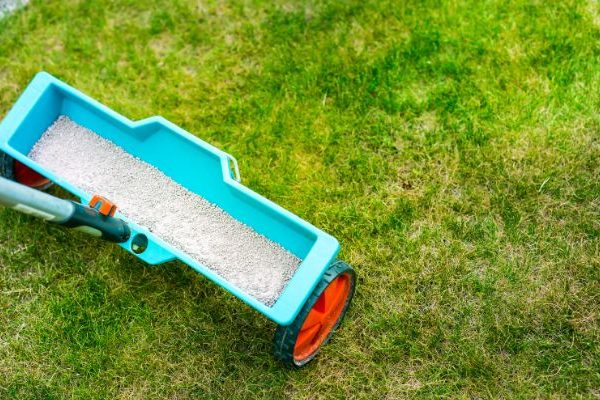
When to Fertilize Your Lawn in Texas: A Complete Schedule by Grass Type
Knowing when to fertilize your lawn in Texas is one of the most important factors in achieving thick, green grass year-round. Fertilize too early and you risk burning a lawn that hasn’t fully broken dormancy. Fertilize too late and you lose the window when grass can actually use the nutrients.
In the Houston and College Station area, most lawns are planted with warm-season grasses that follow a defined growth cycle. Understanding that cycle — and matching your fertilization schedule to it — is the foundation of a healthy Texas lawn.
Why Fertilization Timing Matters for Texas Lawns
Fertilizer applied at the wrong time doesn’t just underperform — it can actively damage your lawn. Nitrogen applied before green-up in early spring can push tender new growth that’s vulnerable to a late frost. Fertilizing too late in fall can stimulate growth heading into dormancy, weakening the root system before winter.
Texas soils — particularly the heavy clay soils common in the Houston area and the sandy loam found around College Station — lose nutrients quickly and require a consistent replenishment schedule to support healthy turf.
Fertilization supports:
- Stronger, deeper root systems
- Richer, more consistent lawn color
- Denser grass that crowds out weeds naturally
- Better drought tolerance during Texas summers
- Improved recovery from heat stress and foot traffic
When to Fertilize Warm-Season Grass in Texas
The best time to fertilize warm-season lawns in Texas is from late spring through early fall, once soil temperatures have consistently reached 65°F or above and the grass is actively growing.
Fertilizing during active growth ensures the grass can absorb and use nutrients efficiently. Applying fertilizer during dormancy wastes product and can cause runoff that harms local waterways.
Recommended Texas lawn fertilization schedule:
| Application | Timing | Purpose |
| First application | Late March – April (after green-up) | Jumpstart spring growth |
| Second application | Late May – June | Support peak summer growth |
| Third application | July – August | Sustain color and density through heat |
| Fourth application | Early September | Strengthen roots before dormancy |
Soil temperature is a more reliable trigger than calendar date. Texas A&M AgriLife Extension recommends waiting until soil temperatures reach 65°F before applying spring fertilizer — a threshold typically reached in the Houston and Brazos Valley areas between late March and mid-April, depending on the year.
Fertilization Schedule by Grass Type in Texas
Different grass types have different nutrient needs and growth windows. Using the correct fertilizer and timing for your specific grass is critical to avoiding burn, waste, or under-performance.
Bermuda Grass Bermuda is the most common lawn grass in the Houston and College Station area. It’s a heavy feeder that benefits from consistent nitrogen applications throughout the growing season. Fertilize every 4 to 6 weeks from late spring through early fall.
St. Augustine Grass St. Augustine is widely used in the Houston area for its shade tolerance and thick coverage. It responds well to slow-release nitrogen fertilizers. Avoid over-fertilizing — St. Augustine is more susceptible to fertilizer burn than Bermuda. Fertilize 3 to 4 times per year, starting after green-up.
Zoysia Grass Zoysia grows more slowly and requires less fertilization than Bermuda or St. Augustine. Two to three applications per season are typically sufficient. Over-fertilizing Zoysia promotes thatch buildup.
Buffalo Grass Buffalo grass is a low-maintenance native option that requires minimal fertilization. One light application in late spring is generally sufficient. Excess nitrogen causes Buffalo grass to lose its natural drought resistance.
For detailed fertilization guidelines by grass type, Texas A&M AgriLife Extension’s Texas Turfgrass resource is the most comprehensive regional reference available.
Signs Your Texas Lawn Needs Fertilizer
Some lawns show clear signs that a fertilization application is overdue. In Texas, summer heat can accelerate nutrient depletion, making these signs appear faster than in cooler climates.
Your lawn likely needs fertilizer if you notice:
- Pale green or yellowing grass that doesn’t improve with watering
- Slow or stalled growth during the active growing season
- Thin or patchy areas that struggle to fill in
- Increased weed pressure in previously dense turf
- Grass that looks dull or flat compared to neighboring lawns
In some cases, yellowing or poor color signals an iron deficiency rather than a nitrogen shortage — a common issue in Texas soils. A soil test can identify exactly which nutrients are lacking before you apply a product. The Texas A&M Soil, Water and Forage Testing Laboratory offers affordable soil testing services and is a reliable local resource for Brazos Valley and Houston-area homeowners.
Should You Water After Fertilizing?
Yes — watering after fertilizing is essential, especially in Texas. After applying fertilizer, water your lawn thoroughly within 24 hours to activate granules and drive nutrients into the soil. This is particularly important in the Houston area, where heat can cause dry fertilizer to burn grass blades if it sits on the surface too long.
General post-fertilization watering guidelines:
- Apply about a half-inch of water after granular fertilizer applications
- Avoid fertilizing immediately before heavy rain, which can cause runoff
- For liquid fertilizer, lighter watering is sufficient to activate the product
Professional Lawn Fertilization in the Houston and College Station Area
Applying the right fertilizer product, at the right rate, at the right time requires knowing your soil type, grass variety, and local seasonal patterns — variables that differ between Houston and the Brazos Valley. Getting one of them wrong can mean wasted product, a burned lawn, or a missed growth window.
Aggieland Green provides professional lawn fertilization services in the Houston and College Station area, with customized treatment programs built around your specific grass type and local soil conditions. Contact Aggieland Green today to schedule a lawn evaluation and get a fertilization plan built for your yard.